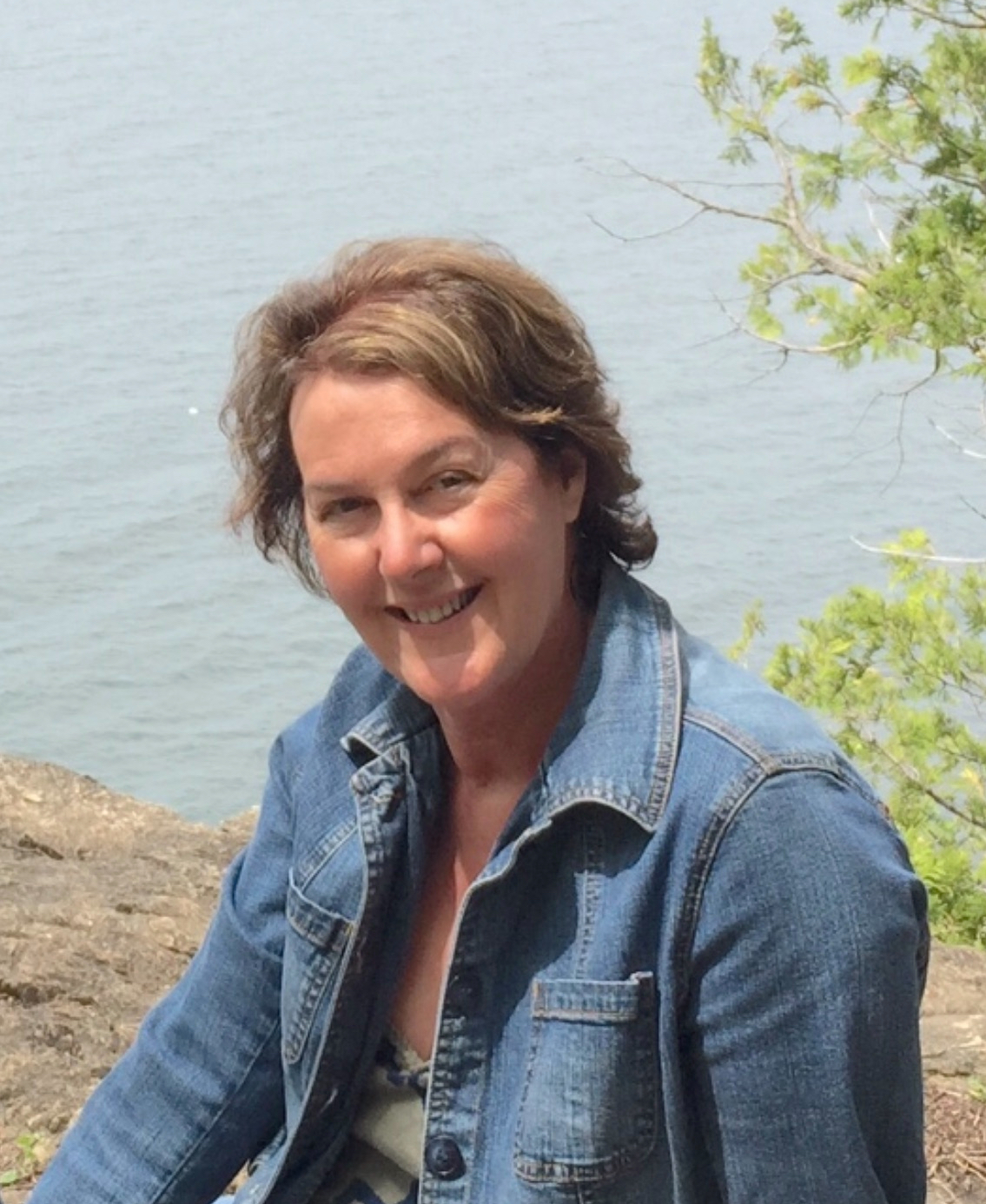

Patricia Marshall is a therapist living in St. Albans, Vermont, just south of the Canadian border. She splits her time between a private practice, working 20-30 hours a week, and then part-time as a specialist for the state of Vermont for another 20 hours a week.
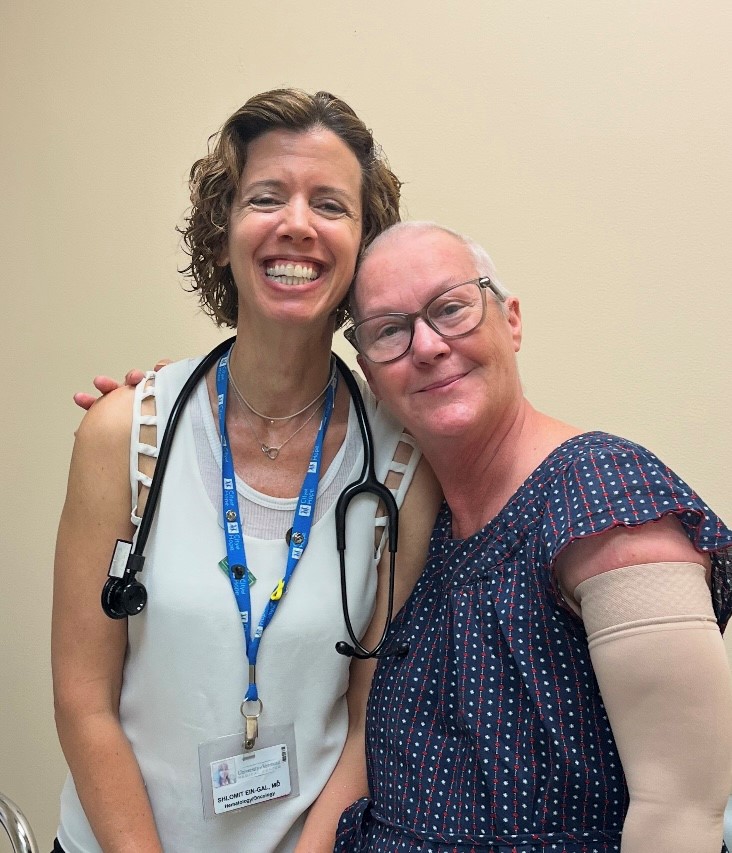
Patricia went in for her annual exam in September of 2024, which she does faithfully every year. But this time the results came back that she had aggressive stage three breast cancer, something that was totally unexpected. It meant the tumor had grown to that size quickly, only within a year. Over the next several months, Patrica was scheduled for a mastectomy, then went right into two rounds of chemotherapy followed by radiation.
In addition to dealing with the diagnosis and treatment, Patricia’s work situation became challenging. After the initial six weeks recovery post-surgery, Patricia was forced to continue to work her 20-hour a week job with the state- even throughout chemotherapy treatments- because it carried her health insurance. On top of that, while unable to work at her other job, being in private practice meant she did not have access to unemployment. And being unable to bill insurance since she was not seeing patients, she was out a sizable chunk of her income. Being the only person in her household, this made things extremely tight. All told, it ended up being almost nine months without her full income.
“It was many months, and it was very tough. I got behind on quite a few bills, which caused complications- even now, they are still causing complications.”
Patrica was able to get help from the Joe Andruzzi Foundation. First, in the initial periods when she was out of work, JAF was able to help by making a payment towards Patricia’s mortgage through their Financial Assistance Program. Later in her treatment journey, she was driving an hour each way to Burlington to get radiation every day for 20 days. The wear and tear on her car caused her tires to basically be bare, and she needed new ones in order to be able to continue driving to treatment safely.
JAF was able to access their Extraordinary Needs Program – designed for situations just like this, when something is causing a barrier to treatment – to pay for new tires for Patricia. It was a literal roadblock alleviated.
“When you’re diagnosed, you just go into survival mode. And for organizations that help, it becomes such a large thing. It’s a positive part of your treatment. I was alone a lot. I didn’t have a really large support place. So I really welcomed and appreciated the extra help during that time, because I was in survival mode. When you stop and think about the kindness and the mercy of people and strangers who do those things for you, it is really overwhelming.”
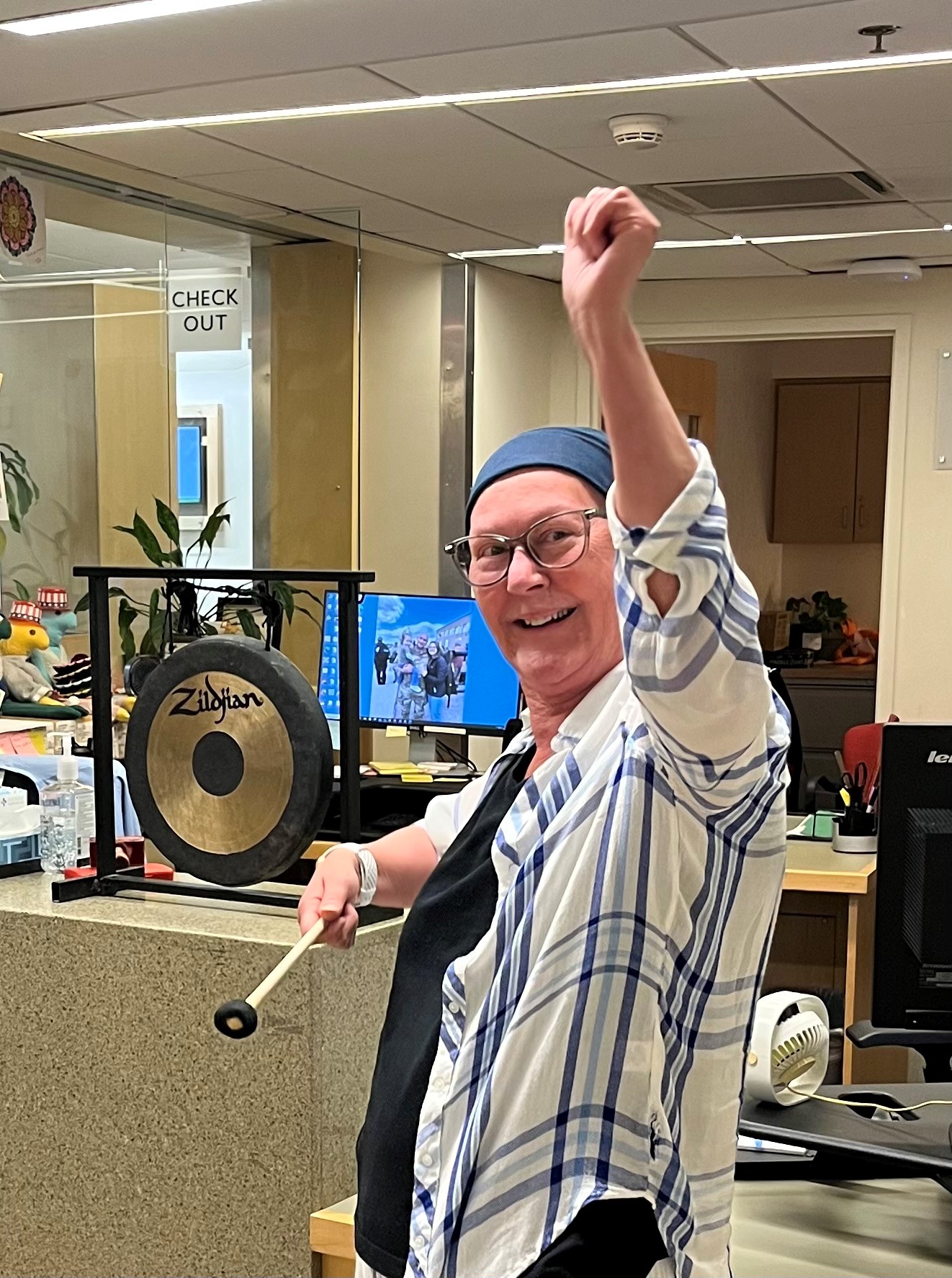
Thankfully, Patricia is now cancer free. She recently underwent another mastectomy following the conclusion of her treatment and is recovering, though she again is out of work for six weeks. But she is using this time to reflect on her journey, which she feels is a crucial piece of processing what she went through.
“You get through all of the treatment and then all of a sudden you get emotional and you’re like, ‘What the hell is going on here?’ And the oncologist says it’s time for you to grieve this thing because now you’re all through your treatment. And so you can step back and actually take a deep breath.”